Cool Summer vs Cool Winter Hair Color: Choosing the Right Direction Before a New Style is mostly a face-framing decision, not a trend chase. The useful question is how the shade behaves next to the haircut, the skin undertone, and the amount of contrast already in the eyebrows, eyes, and natural root. Searches such as cool summer hair color, cool winter hair colors, best hair color for cool summer point to the same practical problem: people want hair that looks deliberate in daylight, grows out without drama, and still works when the style is worn plainly.
The quickest way to compare summer and winter hair
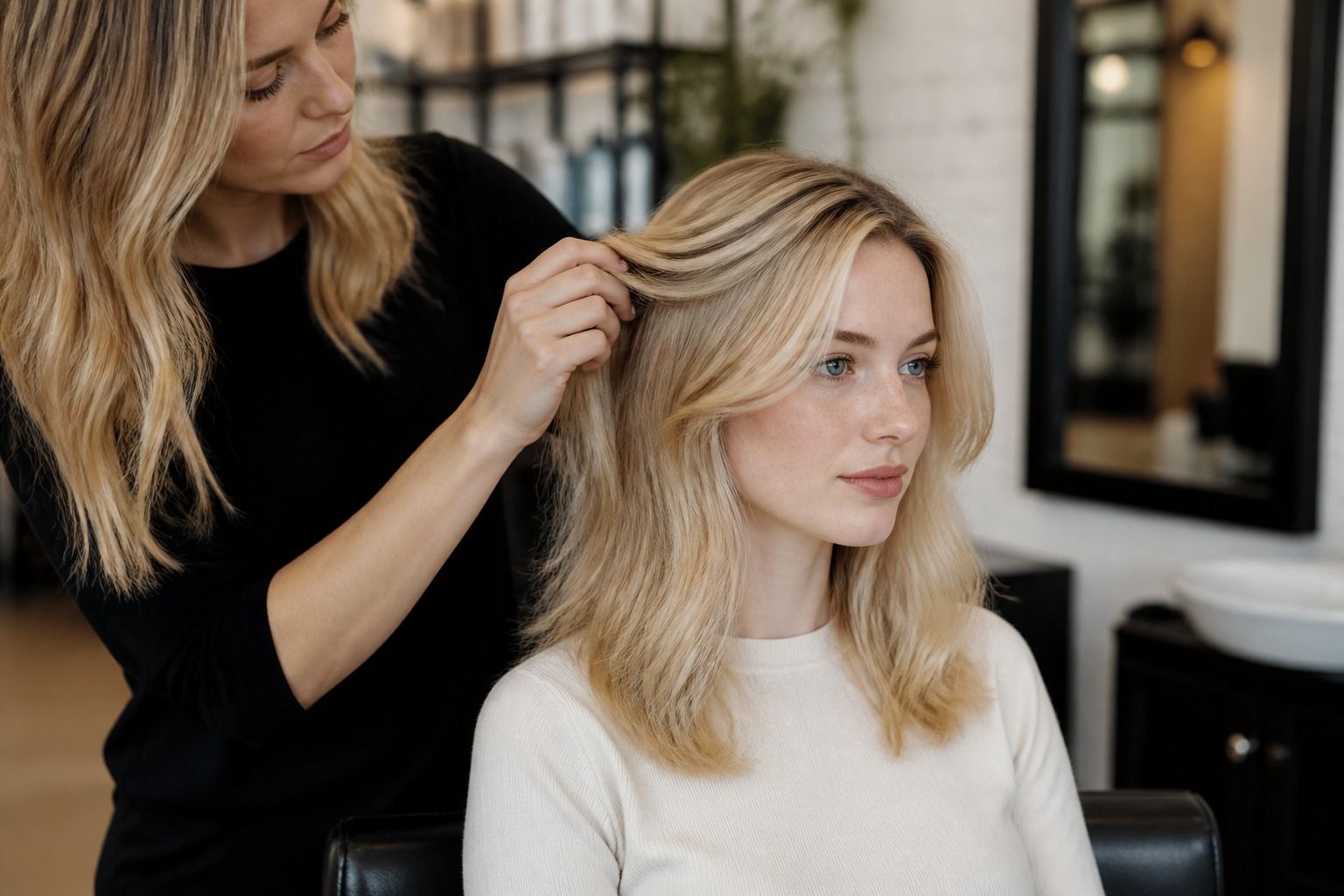
The first check is the natural level of the hair. Very light natural hair usually needs a softer change than a photo filter suggests, while naturally dark hair can carry more depth before the face starts to look tired. For cool summer hair color, the root area matters because it sits next to the forehead, brows, and eyes all day. A shade can look perfect on the ends and still feel wrong if the first two inches around the face are too warm, too flat, or too opaque.
What low contrast looks like in real hair
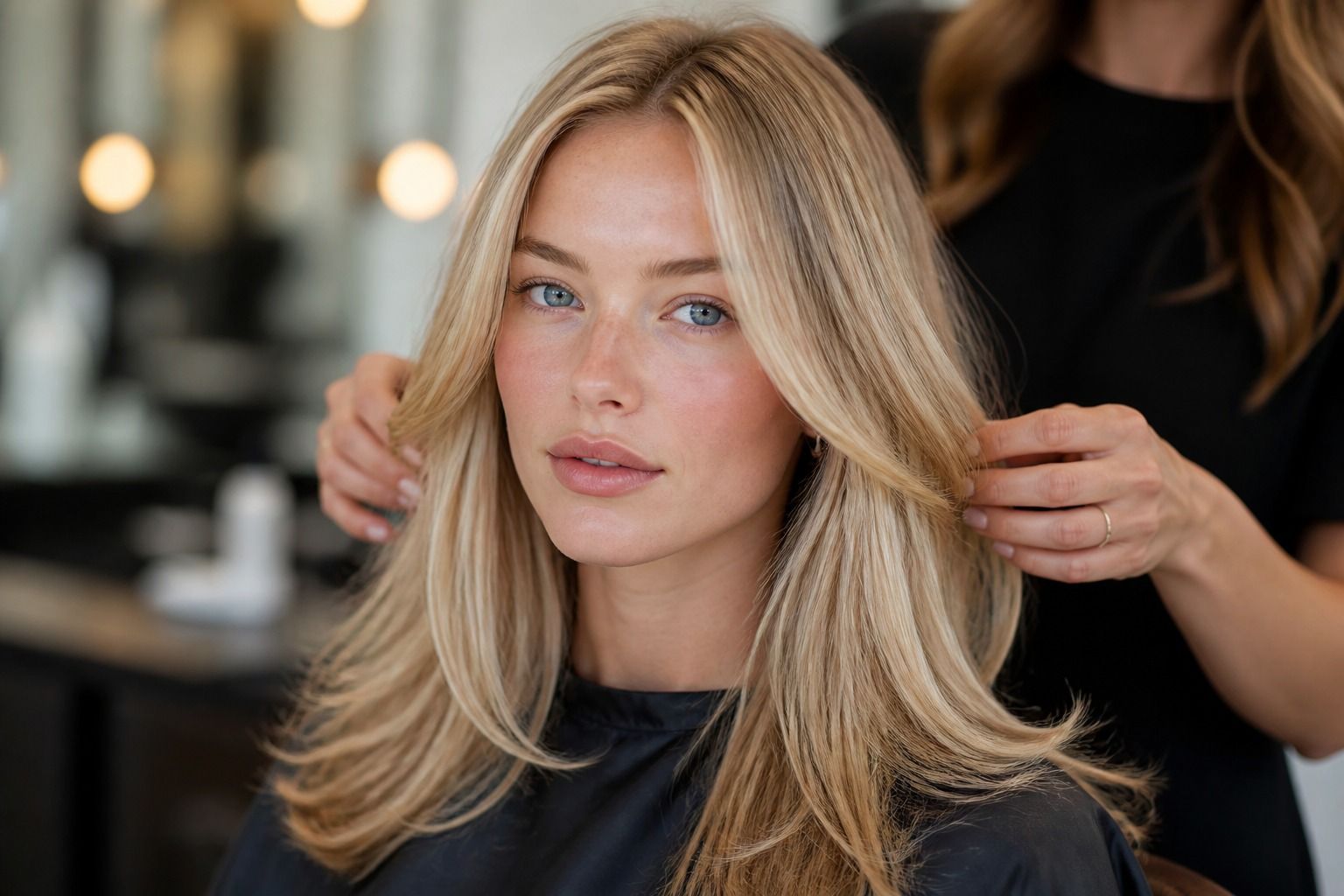
Cut shape changes color more than people expect. Bangs put color directly over the eyes, a bob creates a solid block near the jaw, and long layers scatter highlights through movement. A delicate cool shade can look expensive on a lob with soft texture but disappear on very long, flat hair. A strong dark shade can look clean on a sharp bob and heavy on a dense one-length cut unless the ends are shaped carefully.
What clear contrast looks like in real hair
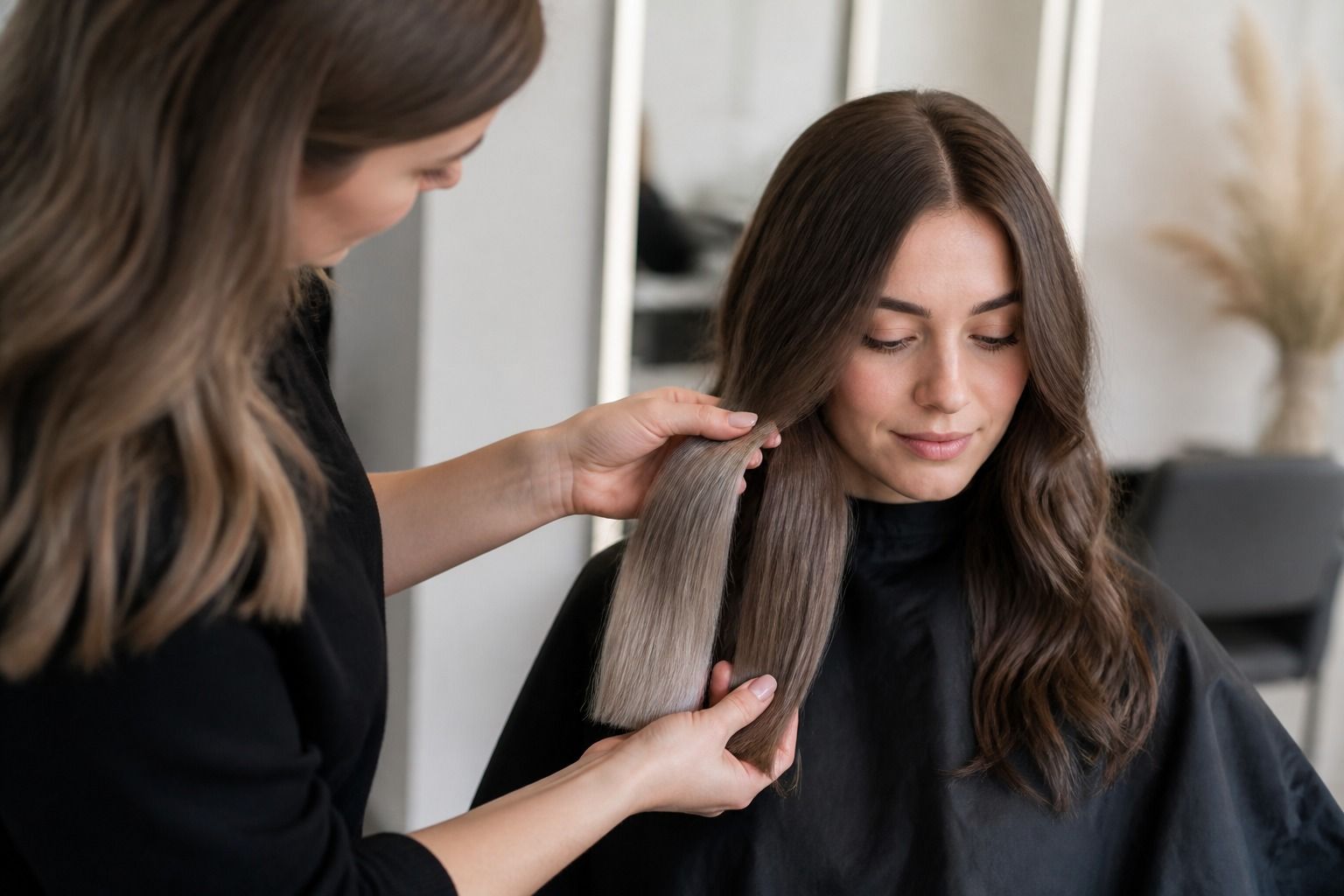
The safest salon conversation uses real constraints: natural root depth, old dye, gray percentage, how often the person can return, and whether heat styling is part of normal life. A colorist can adjust a formula when the target is specific, but “make it cooler” or “make it brighter” is too vague. Better notes sound like: keep the root soft, avoid orange reflection, keep the face frame narrow, and make the ends look healthy rather than extremely light.
How to test the choice before committing
The common mistake is treating seasonal color labels as commands. Cool summer, soft summer, deep summer, and cool winter are useful because they describe contrast and temperature, not because every person inside the label needs the same hairstyle. Two people can search for cool summer hair color, cool winter hair colors, best hair color for cool summer and need different answers if one has fine ash-blonde hair and the other has dense brunette hair with high contrast brows.
Another mistake is judging the shade under salon lighting only. Check it outside, next to a plain white or gray top, and with the hair pulled back as well as worn down. If the face looks calmer and the haircut still has shape, the choice is working. If the first thing visible is the dye itself, the color may be technically pretty but too loud for the person wearing it.
A simple way to choose the next step
Pick one main change first: lighter, darker, cooler, softer, shorter, or more layered. Changing all of them at once makes it hard to know what actually improved the look. If the haircut is already flattering, adjust tone and depth carefully. If the color is close but the hair looks tired, reshape the cut before chasing a new formula. This slower approach is less dramatic, but it usually creates the kind of hair people keep rather than the kind they immediately need to correct.
A useful final filter for cool summer vs cool winter hair color: choosing the right direction before a new style is whether the hair still looks balanced when it is not styled for a photo. Look at a quick ponytail, loose natural texture, and the parting worn on an ordinary day. If the shade only works with a full blowout, the choice may be too fragile. If it works with normal texture and still makes the cut look intentional, it is usually a better direction for real life.
A useful final filter for cool summer vs cool winter hair color: choosing the right direction before a new style is whether the hair still looks balanced when it is not styled for a photo. Look at a quick ponytail, loose natural texture, and the parting worn on an ordinary day. If the shade only works with a full blowout, the choice may be too fragile. If it works with normal texture and still makes the cut look intentional, it is usually a better direction for real life.
A second daylight check is worth doing with the hair pulled away from the face and then dropped forward again. Pulled back hair shows whether the shade supports the complexion; loose hair shows whether the cut and color work as one object. If one version looks good and the other looks off, the issue is usually placement, not the entire color family.
The practical salon note is to change the part that bothers you most, then leave the rest controlled. For many people that means softening warmth around the face, adding a quieter root, or making the ends look healthier instead of chasing a completely new identity. Small controlled changes are easier to correct and easier to live with.
It also helps to judge the style against clothes already worn often. A good hair decision should make familiar tops, jackets, earrings, and makeup feel simpler. If the hair demands a new wardrobe to make sense, it may still be attractive, but it is probably not the most natural match for the person wearing it.
A useful final filter is whether the hair still looks balanced when it is not styled for a photo. Look at a quick ponytail, loose natural texture, and the parting worn on an ordinary day. If the shade only works with a full blowout, the choice may be too fragile. If it works with normal texture and still makes the cut look intentional, it is usually a better direction for real life.
A second daylight check is worth doing with the hair pulled away from the face and then dropped forward again. Pulled back hair shows whether the shade supports the complexion; loose hair shows whether the cut and color work as one object. If one version looks good and the other looks off, the issue is usually placement, not the entire color family.
The practical salon note is to change the part that bothers you most, then leave the rest controlled. For many people that means softening warmth around the face, adding a quieter root, or making the ends look healthier instead of chasing a completely new identity. Small controlled changes are easier to correct and easier to live with.
It also helps to judge the style against clothes already worn often. A good hair decision should make familiar tops, jackets, earrings, and makeup feel simpler. If the hair demands a new wardrobe to make sense, it may still be attractive, but it is probably not the most natural match for the person wearing it.